Knowledge & Insights

Orthofix Clinical Insights & Medical News

Discover advanced surgical techniques, bone stimulation research, and orthopedic device innovations.

Surgical Technologies

Innovations in Precision Surgery

Exploring machine-vision navigation and radiation-reduced operating room solutions.

Patient Outcomes

Evidence-Based Patient Care

Real-world recovery stories and clinical data driving modern orthopedic restoration.

0%

Lumbar Interbody Fusion Cages are medical implants used to stabilize painful or unstable lumbar spinal segments. Surgeons place them between vertebral bodies after removing a damaged disc. The cage helps restore disc height, support spinal alignment, and create space for bone growth. In practical terms, it acts like a small structural bridge inside the spine.

The procedure may be considered for degenerative disc disease, spondylolisthesis, recurrent disc problems, or spinal instability. It is not a universal solution. Patient selection matters greatly. Imaging findings must match symptoms, neurological examination, and functional limitations. Frank Phillips, MD, a recognized spine surgeon, has described the goal of fusion as: “The goal of fusion is to eliminate motion at a painful motion segment.” That sentence is simple. Clinical decisions are not.

Industry data also shows continuing demand. Fortune Business Insights reported that the global spinal fusion devices market was valued at approximately USD 8.9 billion in 2024, with further growth projected through 2032. This category includes cages, screws, plates, and related systems, rather than cages alone. Grand View Research similarly identifies aging populations, lumbar degeneration, and surgical technology as major market drivers. Yet market growth does not prove that every patient benefits.

Outcomes depend on surgical technique, bone quality, implant design, rehabilitation, and individual health risks. Some patients experience persistent pain, nonunion, subsidence, or adjacent-segment problems. Evidence can also be uneven. A careful discussion should compare fusion with nonoperative care and other surgical options. The following guide explains what Lumbar Interbody Fusion Cages are used for, how they work, and where their limitations remain.
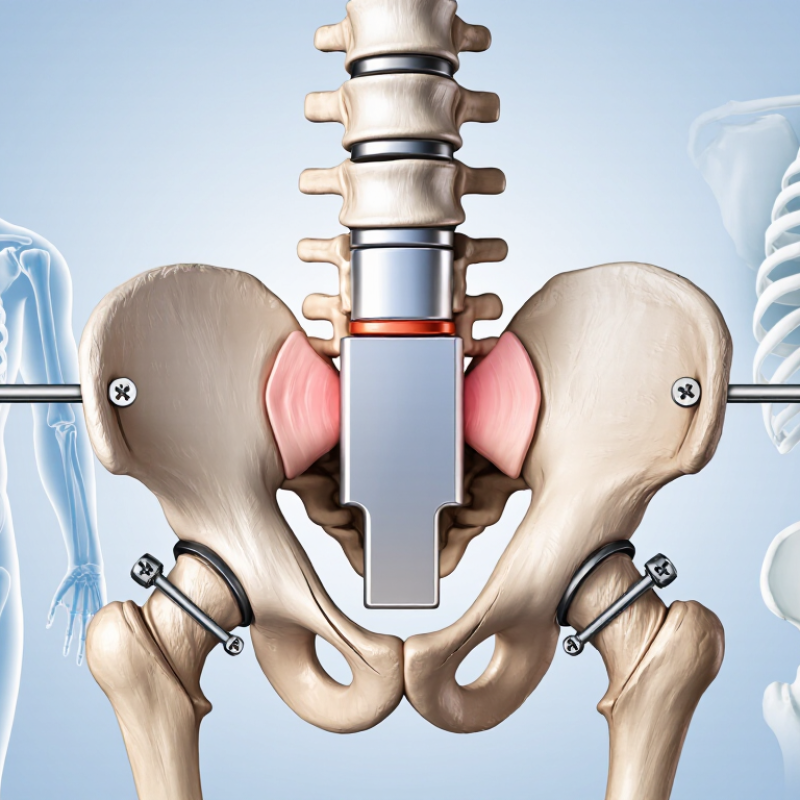
What Are Lumbar Interbody Fusion Cages Used For?

What Lumbar Interbody Fusion Cages Are and How They Support Fusion

Lumbar interbody fusion cages are small spacers placed between damaged vertebrae. Surgeons remove the painful disc and insert the cage into that space. It helps restore disc height and reduce abnormal movement. The cage also creates room for bone graft material. New bone can gradually grow through or around it. That is the central purpose of fusion.

The structure acts like a temporary bridge. Its surface supports the vertebral endplates while healing develops. Some cages use porous designs to encourage bone attachment. Clinical reviews commonly report fusion rates around 85% to 95%, although results vary by surgical approach, graft choice, and patient health. These figures come from published lumbar fusion studies, not guaranteed outcomes. Smoking, diabetes, osteoporosis, and poor nutrition can slow bone growth.

The need remains substantial. A 2023 Lancet Rheumatology analysis estimated that 619 million people experienced low back pain globally in 2020. It projected 843 million cases by 2050. However, a cage does not treat every cause of back pain. It may be considered for instability, degenerative disc disease, or selected spinal deformities after careful evaluation. Imaging alone is insufficient. Symptoms, physical findings, and daily limitations must also match. The evidence is useful, but never perfectly clean. Individual recovery can differ sharply from reported averages.

What Are Lumbar Interbody Fusion Cages Used For?

Representative Lumbar Cage Height Ranges by Spinal Level

Lumbar interbody fusion cages are placed between adjacent vertebral bodies after disc removal. They help restore disc height, support the front column of the spine, maintain alignment, and create a space for bone graft material so the vertebrae can grow together.

The chart shows representative cage height ranges in millimeters. Actual sizing depends on spinal level, anatomy, surgical approach, bone quality, and the surgeon’s assessment.

Clinical Indications: Disc Degeneration, Spinal Stenosis, and Spondylolisthesis

What Are Lumbar Interbody Fusion Cages Used For?

Lumbar interbody fusion cages support the space between damaged vertebrae. They help restore disc height and create room for bone growth. Surgeons may recommend them when pain, instability, or nerve pressure persists despite appropriate non-surgical care. The decision should match symptoms with examination findings and imaging, not imaging alone.

Disc degeneration can collapse a disc and narrow the space around nearby nerves. A cage may help restore that height and stabilize the painful segment. With spinal stenosis, restoring disc height can provide indirect nerve decompression. However, severe narrowing may still require direct removal of bone or ligament. Relief is not automatic.

Spondylolisthesis involves one vertebra slipping forward over another. Fusion with a cage can help stabilize the segment and support correction of the slip. Before surgery, clinicians often review MRI or CT scans, standing X-rays, neurological findings, and the patient’s daily limitations. Recovery varies with bone health, smoking status, surgical technique, and rehabilitation. The decision is rarely tidy. Even experienced teams must weigh possible benefits against nonunion, infection, nerve injury, and persistent pain. A cage supports fusion; it does not repair every source of back pain.

Biomechanical Functions: Restoring Disc Height and Foraminal Space

What Are Lumbar Interbody Fusion Cages Used For?

Lumbar interbody fusion cages help restore disc height after disc collapse or removal. This matters because a collapsed disc can narrow the neural foramen, the small passage where a nerve exits. Restoring disc height may enlarge this space and reduce pressure through indirect decompression. Published radiographic studies commonly report foraminal-height gains of approximately 10% to 30%, although results vary by level, surgical approach, and patient anatomy. The North American Spine Society’s clinical guidance emphasizes matching fusion to confirmed pathology, symptoms, and imaging findings.

The cage also transfers load between vertebral bodies and supports bone growth across the disc space. A restored disc height can improve segmental alignment and sometimes reduce mechanical stress. However, a taller cage is not automatically better. Excessive distraction may increase endplate stress, cause postoperative pain, or promote subsidence. The calculation is not perfect. Bone quality, facet joints, muscle condition, and surgical technique all influence the result. The 2023 Global Burden of Disease analysis estimated that low back pain affected about 619 million people in 2020, showing why careful, evidence-based decisions matter.

Tips: Ask how much foraminal narrowing exists before surgery. Review standing X-rays and cross-sectional imaging with a qualified spine specialist. Disc-height restoration should support nerve decompression, not replace a complete diagnosis. A cage’s design is only one part of the biomechanical plan.

Cage Materials and Designs: PEEK, Titanium, and Porous 3D-Printed Options

Lumbar interbody fusion cages maintain disc height, stabilize unstable segments, and create space for bone growth. Surgeons place them between vertebral bodies after removing a damaged disc. The cage is not the fusion. That distinction matters. Bone graft must bridge the space, while the implant supports alignment during healing.

PEEK remains popular because its elasticity resembles bone and its radiolucency allows clearer X-ray assessment. However, its smooth surface may provide limited bone attachment without added surface treatment. Titanium offers high strength and direct bone contact, but it can create imaging artifacts. Porous 3D-printed titanium uses interconnected pores to imitate cancellous bone. In theory, this structure encourages vascularized bone ingrowth and reduces stress shielding. In theory.

A 2022 meta-analysis in Global Spine Journal found no consistent clinical superiority between PEEK and titanium cages across all patient groups. A 2023 systematic review in the International Journal of Spine Surgery reported fusion rates above 90% in many modern series, although definitions and follow-up periods differed. Those numbers need caution. Fusion success depends on surgical approach, bone quality, smoking status, graft choice, and endplate preparation. ASTM F2077 testing measures cage compression, subsidence, and fatigue performance, but laboratory strength cannot predict every clinical outcome. A cage may look advanced on a scan and still fail in poor biology. The design choice should match anatomy, imaging needs, mechanical demands, and the patient’s capacity to heal.

Clinical Evidence: Fusion Rates Often Exceed 90% in Selected Patients

What Are Lumbar Interbody Fusion Cages Used For?

Clinical Evidence: Fusion Rates Often Exceed 90% in Selected Patients

Lumbar interbody fusion cages help stabilize a damaged spinal segment. Surgeons remove the painful disc and place a cage between adjacent vertebrae. The device restores disc height, supports alignment, and holds bone graft material. Over time, new bone may grow around the cage and create a solid fusion.

Clinical outcomes can be strong in carefully selected patients. Reviews published in Global Spine Journal have reported fusion rates above 90% for several lumbar interbody techniques. A 2022 systematic review in the European Spine Journal also found high radiographic fusion rates, often ranging from 85% to 95%. Results depend on surgical approach, bone quality, smoking status, diabetes, and the definition of fusion. Numbers can look impressive.

Yet, fusion on an image does not guarantee complete pain relief. Computed tomography may show bridging bone, while the patient still reports numbness or limited walking. Evidence reviews from the North American Spine Society emphasize patient selection and appropriate indications. Cage placement may help restore height, but it cannot reverse every nerve injury. Surgeons should also assess osteoporosis, infection risk, alignment, and adjacent-level degeneration. Some studies use small patient groups or short follow-up periods. That weakens certainty. Careful interpretation matters.

FAQS

What is a lumbar interbody fusion cage?

It is a small spacer placed between damaged lumbar vertebrae. Surgeons remove the painful disc first. The cage restores disc height and limits abnormal movement. Bone graft fills the surrounding space and grows during healing. The cage supports fusion, but it is not the fusion itself.

How does a cage help bone fusion?

The cage acts like a temporary bridge between vertebral endplates. Its structure holds alignment while new bone develops. Some designs contain small pores for bone attachment. Bone must still bridge the space. Healing takes time.

Which conditions may require a lumbar fusion cage?

Doctors may consider a cage for disc degeneration, instability, selected spinal deformities, or vertebral slippage. It may also help when disc collapse narrows space around spinal nerves. Persistent symptoms should match examination findings and imaging. A scan alone is not enough.

Can a cage treat spinal stenosis?

Restoring disc height may indirectly create more room for compressed nerves. Severe narrowing may still require direct removal of bone or ligament. Relief is not automatic. Symptoms can continue after surgery.

What materials are used in these cages?

Common materials include radiolucent polymer, solid titanium, and porous titanium. Radiolucent designs can make follow-up X-rays easier to interpret. Titanium provides strength and direct bone contact. Porous structures may encourage bone ingrowth. The theory sounds promising, but biology remains unpredictable.

Are newer porous cages always better?

No. Current studies do not prove one material is best for every patient. Reported fusion rates often exceed 85 percent, but study methods differ. Follow-up periods and fusion definitions are inconsistent. A sophisticated scan does not guarantee successful healing.

What factors can slow fusion?

Smoking, diabetes, osteoporosis, poor nutrition, and weak bone quality may slow bone growth. Surgical approach, graft choice, and endplate preparation also matter. Rehabilitation can influence recovery. Individual results may differ sharply from published averages.

What tests help doctors decide whether surgery is suitable?

Doctors may review MRI or CT scans, standing X-rays, neurological findings, and daily limitations. They also assess pain patterns and physical signs. Mechanical demands and bone health affect cage selection. The decision is rarely tidy.

Conclusion

Lumbar Interbody Fusion Cages are medical devices used to support spinal fusion by replacing a damaged or removed lumbar disc space. They are commonly considered for conditions such as degenerative disc disease, spinal stenosis, and spondylolisthesis, particularly when pain, instability, or nerve compression does not improve with conservative treatment. By maintaining the space between adjacent vertebrae, these cages help restore disc height, improve foraminal dimensions, and support proper spinal alignment while bone grows through or around the implant.

Cages are available in different materials and designs, including PEEK, titanium, and porous structures produced through advanced 3D-printing methods. Each option is designed to provide suitable strength, stability, and conditions for bone integration. Clinical outcomes vary according to patient selection, surgical technique, bone quality, and overall health, but fusion rates in appropriately selected patients often exceed 90%. As a result, Lumbar Interbody Fusion Cages remain an important component of modern lumbar fusion procedures.

Liam

Liam

Liam is a dedicated marketing professional with a deep-seated passion for innovation and excellence in the field. With years of experience in the industry, he possesses an extensive understanding of our company's cutting-edge products and their unique advantages. Liam frequently contributes to our......