Blog

How to Find NanoMetalene Implant Technology Suppliers
Finding reliable NanoMetalene Implant Technology suppliers requires more than comparing prices or polished product pages. The term “NanoMetalene” may describe different metal, coating, or nanostructured surface technologies. Buyers should define the material, implant location, manufacturing stage, and intended clinical use before contacting vendors. Precision matters here.
Industry evidence supports a careful approach. The World Health Organization’s Global Atlas of Medical Devices emphasizes the importance of regulatory oversight, quality systems, and traceability across medical-device supply chains. The FDA’s guidance on ISO 10993-1 also highlights biological evaluation within a risk-management process, rather than relying on isolated laboratory claims. Grand View Research’s 2024 analysis of the nanomedicine market indicates continued investment in nanoscale healthcare applications, but market growth does not prove clinical readiness.
Reports are useful, not proof.
A credible supplier should provide material specifications, surface-characterization data, sterilization information, batch records, and relevant biocompatibility testing. Look for evidence involving roughness, coating adhesion, corrosion resistance, ion release, and fatigue performance. Ask whether testing used the same alloy, dimensions, and manufacturing route as the proposed implant. Small differences can change results. Experienced suppliers should also explain design controls, change management, and subcontractor oversight. Independent audits and certificates help, but they cannot replace technical review. This is where sourcing becomes practical: inspect sample documentation, request reference projects, and verify claims through qualified laboratories or regulatory consultants. Some supplier statements may remain incomplete. That is a warning, not a conclusion. A disciplined evaluation connects laboratory data, manufacturing capability, clinical relevance, and transparent communication before any purchasing decision.
Read more »
 By:James
- October 18, 2026
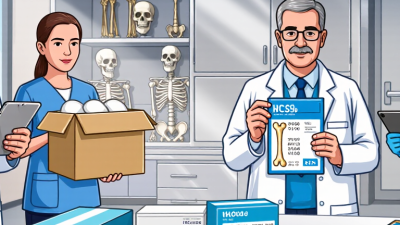
How to Source IsoTis Bone Graft Substitutes?
Sourcing IsoTis Bone Graft Substitutes requires more than finding a familiar product name online. Clinical teams should verify the manufacturer, authorized distribution channel, product status, intended indication, and current instructions for use. IsoTis products may have changed ownership, regional availability, or labeling over time. That detail matters.
Orthopedic researcher Dr. Thomas A. Einhorn has emphasized, “Bone healing depends on biology, mechanics, and time.” This principle should guide every purchasing decision. A graft substitute is not merely a box on a shelf. It is a regulated clinical material with specific handling, storage, and traceability requirements. Buyers should request lot numbers, expiration dates, sterile packaging details, certificates of conformity, and documented temperature controls. A damaged carton or unclear label deserves attention.
Experienced procurement teams usually compare authorized suppliers, hospital contracts, and manufacturer-supported channels. They also confirm whether the product matches the surgeon’s planned procedure, anatomical site, and patient needs. Do not rely on marketplace photographs alone. Ask for current technical documentation. Confirm the supplier’s return policy and recall communication process.
There is room for caution here. Product names can look identical across regions, while indications may differ. Availability can also change without obvious warning. A sensible sourcing review records each verification step, even when the purchase appears routine. That record supports accountability, clinical confidence, and future audits. It also exposes weak assumptions before they affect patient care. Reliable sourcing is slower than casual ordering. It is usually safer.
Read more »
 By:Sophie
- October 13, 2026

What Is the Best Accell Bone Matrix Supplier in China?
China’s bone graft market is expanding, but supplier quality remains uneven. Grand View Research estimated the global bone grafts and substitutes market at approximately USD 3.4 billion in 2023. It also projected continued growth through 2030, driven by spinal fusion, trauma care, and dental reconstruction. These figures show demand. They do not prove product reliability.
When evaluating an Accell Bone Matrix supplier in China, buyers should examine more than price or catalog images. Manufacturing controls, donor screening, traceability, sterility validation, and clinical documentation require close review. The American Association of Tissue Banks (AATB) emphasizes documented tissue-processing systems and controlled quality procedures. China-based manufacturers should also provide clear evidence of regulatory registration, batch testing, and export experience. Sometimes, the paperwork looks stronger than the practical evidence. That gap deserves attention.
Orthopedic researcher Dr. Thomas A. Einhorn has stated, “Bone grafting is one of the oldest and most commonly used techniques in orthopaedic surgery.” His observation remains relevant because modern biomaterials still depend on biological performance, handling, and surgical context. A credible Accell Bone Matrix supplier should therefore explain graft composition, storage conditions, implantation guidance, and reported outcomes in plain language. Independent verification is essential. The best supplier may not be the cheapest. It may be the one that answers difficult questions, shares consistent batch records, and admits where evidence is still limited.
Read more »
By:Sophie
- October 8, 2026
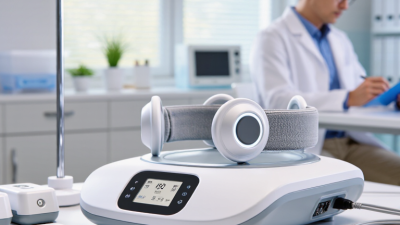
Top CervicalStim Bone Growth Therapy Device Suppliers
Choosing among CervicalStim Bone Growth Therapy Device suppliers requires more than comparing prices and delivery dates. Hospitals, clinics, and qualified distributors must examine evidence, manufacturing standards, and patient-support practices. A dependable supplier should clearly identify the device’s intended use, prescribing requirements, warranty terms, and service coverage. Details matter. Product documentation should be current, readable, and consistent across official channels. Suppliers should also explain training procedures, replacement policies, and technical assistance for clinicians. These points can reveal whether a company supports safe, informed use beyond the initial sale.
This overview considers leading suppliers through a practical and evidence-aware lens. It examines regulatory transparency, quality systems, clinical education, distribution reliability, and communication with healthcare professionals. Availability may differ by country, and local requirements always deserve confirmation. That is not a minor issue. Buyers should verify product status with authorized representatives and relevant health authorities before purchasing. Independent clinical judgment remains essential, especially when patient history, imaging results, or concurrent treatment may influence suitability. A polished website does not prove clinical value. Nor does a low quotation guarantee dependable service. Some supplier information may be incomplete or difficult to compare, which deserves honest acknowledgment. Readers should treat rankings as a starting point, not a final recommendation. The strongest choice balances credible documentation, responsive support, and appropriate clinical oversight.
Read more »
By:Sophie
- October 3, 2026

How to Choose a SpinalStim Bone Growth Stimulator in 2026?
Choosing a SpinalStim Bone Growth Stimulator in 2026 starts with your medical situation, not a product comparison chart. SpinalStim is intended for certain patients following spinal fusion, but whether it is appropriate depends on your diagnosis, treatment plan, and current device labeling. Your spine surgeon can explain why stimulation is being considered and what benefits or limitations may apply to you. Ask about the recommended treatment schedule, how to position and operate the device, and what to do if a session is missed. Details matter. So does fit.
Practical questions can make the choice clearer. Will the device fit comfortably over your usual clothing? Can you manage the controls while seated, and is the daily routine realistic during recovery? Check the current instructions, prescription requirements, manufacturer support, warranty terms, and any insurance coverage with your clinician and insurer. Coverage can vary. Do not rely on an online listing alone to confirm eligibility or cost. A tidy checklist helps, but it cannot capture every recovery or answer every concern. I would pause over that. Ask how progress will be monitored and whom to contact if the device causes discomfort or questions arise. This guide will help you compare relevant features and prepare focused questions, while keeping decisions grounded in your care team’s advice and the latest available product information.
Read more »
By:James
- September 28, 2026
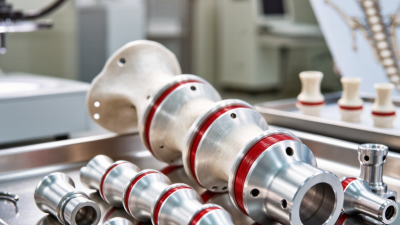
China Best Vertebral Body Replacement Implants Manufacturer
Choosing the best China Vertebral Body Replacement Implants manufacturer requires more than comparing prices or product images. It demands evidence, clinical understanding, and careful supplier evaluation. Vertebral Body Replacement Implants support spinal reconstruction after trauma, tumor removal, or severe vertebral collapse. Their design must match anatomical needs, surgical techniques, and expected loading conditions.
Experienced manufacturers usually provide titanium or compatible implant options, precise machining, surface finishing, and dependable dimensional control. These details matter. A few millimeters can affect alignment, fixation, and surgical handling. Reliable suppliers should explain their material sources, inspection methods, sterilization arrangements, and traceability procedures. They should also support surgeons and distributors with technical drawings, product specifications, and responsive communication.
Quality should be demonstrated, not simply claimed. Look for documented quality systems, risk management processes, biocompatibility evaluations, and testing aligned with applicable medical device requirements. Factory audits can reveal practical details, such as clean production areas, calibration records, and how nonconforming parts are controlled. These observations often tell more than polished brochures.
No manufacturer is perfect. Product development may require refinement, and communication can occasionally be slower than expected. A trustworthy partner acknowledges limitations and improves them openly. The strongest China-based supplier combines engineering experience, consistent production, regulatory awareness, and long-term service. It should understand that every implant enters a demanding clinical environment. That responsibility cannot be reduced to a catalog specification. Careful verification remains essential before selecting a manufacturer for global distribution or clinical cooperation.
Read more »
 By:Liam
- September 23, 2026
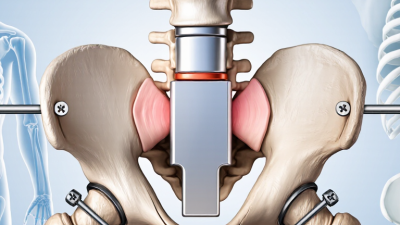
What Are Lumbar Interbody Fusion Cages Used For?
Lumbar Interbody Fusion Cages are medical implants used to stabilize painful or unstable lumbar spinal segments. Surgeons place them between vertebral bodies after removing a damaged disc. The cage helps restore disc height, support spinal alignment, and create space for bone growth. In practical terms, it acts like a small structural bridge inside the spine.
The procedure may be considered for degenerative disc disease, spondylolisthesis, recurrent disc problems, or spinal instability. It is not a universal solution. Patient selection matters greatly. Imaging findings must match symptoms, neurological examination, and functional limitations. Frank Phillips, MD, a recognized spine surgeon, has described the goal of fusion as: “The goal of fusion is to eliminate motion at a painful motion segment.” That sentence is simple. Clinical decisions are not.
Industry data also shows continuing demand. Fortune Business Insights reported that the global spinal fusion devices market was valued at approximately USD 8.9 billion in 2024, with further growth projected through 2032. This category includes cages, screws, plates, and related systems, rather than cages alone. Grand View Research similarly identifies aging populations, lumbar degeneration, and surgical technology as major market drivers. Yet market growth does not prove that every patient benefits.
Outcomes depend on surgical technique, bone quality, implant design, rehabilitation, and individual health risks. Some patients experience persistent pain, nonunion, subsidence, or adjacent-segment problems. Evidence can also be uneven. A careful discussion should compare fusion with nonoperative care and other surgical options. The following guide explains what Lumbar Interbody Fusion Cages are used for, how they work, and where their limitations remain.
Read more »
By:Liam
- September 18, 2026

Top China Best Posterior Cervical Fixation Devices for Global Buyers?
The demand for reliable Posterior Cervical Fixation Devices is growing worldwide. These devices play a crucial role in stabilizing the cervical spine. Surgeons require high-quality options for effective patient care.
As global buyers seek the best products, quality and innovation stand out. Many manufacturers in China are leading in this sector. They combine advanced technology with practical designs. However, there are variations in quality across different brands. Buyers should conduct thorough research before making decisions.
Potential issues may arise, such as compatibility and durability. It's essential to consider these factors when selecting devices. Creating a shortlist of options could aid the decision-making process. Ultimately, investing in dependable Posterior Cervical Fixation Devices is vital for patient outcomes.
Read more »
By:James
- August 28, 2026

What is Anterior Cervical Fixation Systems and How Do They Work?
Anterior Cervical Fixation Systems are critical tools in spinal surgery. They are designed to stabilize the cervical spine after injury or surgery. Understanding how these systems work is essential for both patients and healthcare professionals.
These systems generally involve the use of plates, screws, and rods. They work by securing the vertebrae in place, promoting healing and reducing pain. Surgeons often face challenges when selecting the correct system for each patient. Each case is unique, and careful assessment is necessary. This is not a one-size-fits-all solution.
The effectiveness of Anterior Cervical Fixation Systems has been well-documented in medical literature. However, issues such as potential complications cannot be overlooked. Patients may experience discomfort post-surgery, and recovery times can vary. Knowing the risks is vital for informed decision-making. Ultimately, these systems represent a blend of innovation and surgical expertise aimed at improving patient outcomes.
Read more »
By:James
- August 28, 2026
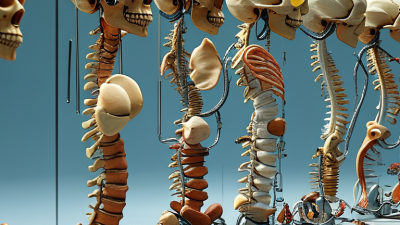
2026 Top Posterior Thoracolumbar Fusion Systems Guide?
In the realm of spinal surgery, Posterior Thoracolumbar Fusion Systems play a crucial role. These systems are widely used to stabilize the thoracolumbar region of the spine. They are essential for patients suffering from various spinal disorders, including scoliosis and debilitating fractures.
Selecting the right fusion system is not just about the technology; it requires expertise and careful consideration. Surgeons must evaluate the unique needs of each patient. Factors such as bone quality, age, and lifestyle significantly influence the surgical approach and the type of devices used. Each system has its strengths and weaknesses, which can impact patient outcomes.
As we explore the 2026 Top Posterior Thoracolumbar Fusion Systems, we recognize the importance of ongoing education and research in this field. The landscape is continuously evolving, with new technologies and techniques emerging. This necessitates a commitment to understanding these advancements to provide the best possible care for patients. While the options may seem promising, reflections on past decisions and outcomes are necessary for continuous improvement.
Read more »
By:James
- August 28, 2026